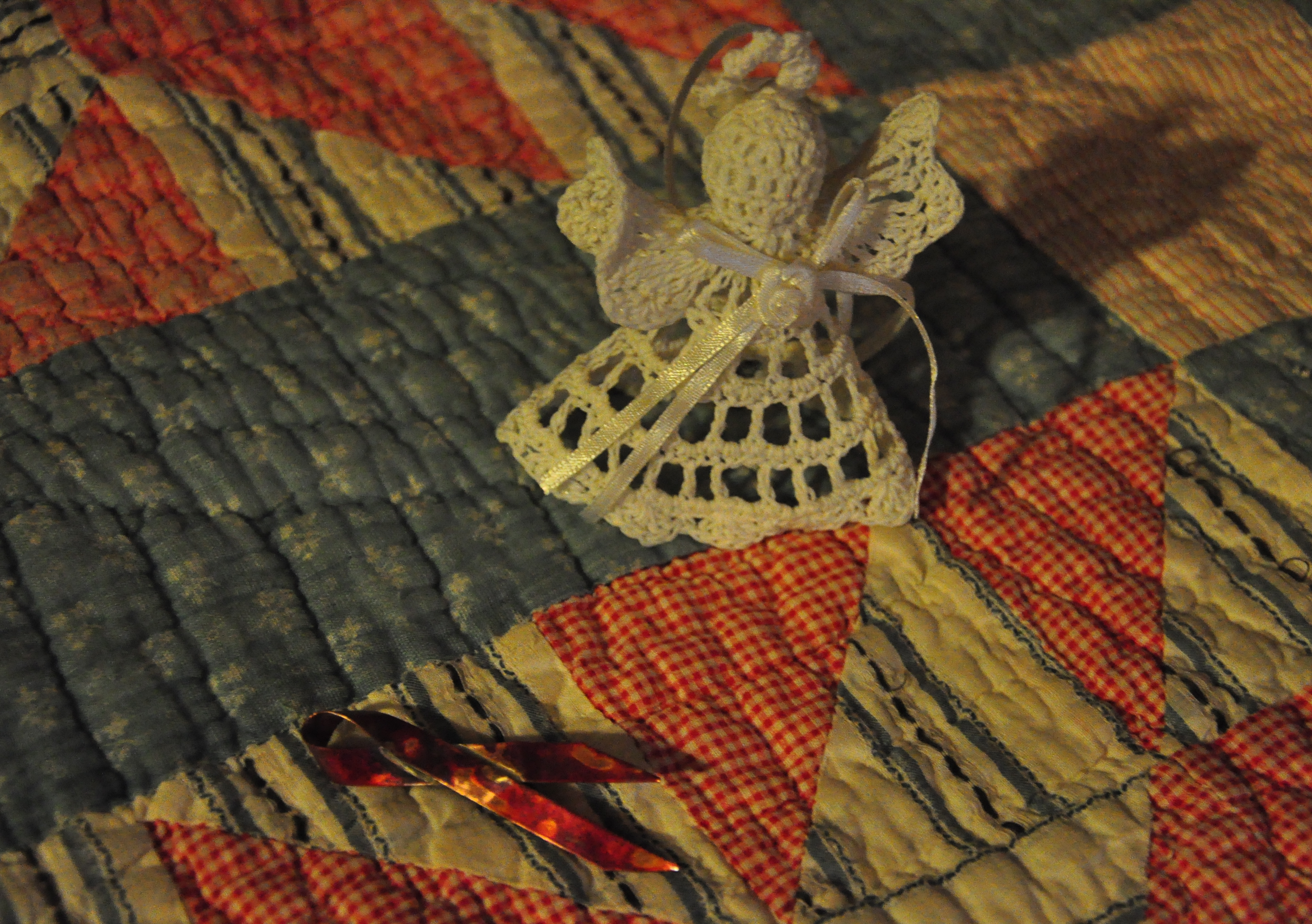
 The first time I saw a portion of the AIDS Memorial Quilt was in 1991, in Wichita, KS. It was a small part of the entire quilt, and it filled the floor of the convention center. I had read about the quilt from the beginning. I had seen photographs of the display on the mall in Washington, D.C. None of that prepared me for the flood of emotion I felt as I walked among the quilt blocks on display that day. Looking at the first block, I knew I had stepped into sacred space, as though I had been allowed to witness thousands of private moments of loss and remembrance.
Each quilt block held the remnants of a life. Stories told piece by piece through pictures, pieces of clothing, belongings that identified each person as unique, known, loved. The fabric blocks were tangible evidence that this person participated with family and friends in this life, and was now gone, but never forgotten.
Harold Marcuse, is a professor of German history at University of California, Santa Barbara. His research on the view of different groups looking back on the Nazi period since 1945 is presented in his book, Legacies of Dachau, 1933-2001. One of the stories is of German pastor, Martin Niemöller’s visit to Dachau concentration camp in November 1945. Noemöller had been imprisoned at Dachau from 1941 to April 1945. Marcuse notes that Niemöller’s November diary entry and subsequent speeches suggest returning to Dachau prompted thoughts that by the early 1950s had become this familiar poem.
First they came for the
socialists, and I did not speak out
because I was not a socialist.Then they came for the
trade unionists,
And I did not speak out
because I was not
a trade unionist.Then they came for the Jews
and I did not speak out,
because I was not a Jew.
Then they came for me,
and there was no one left
to speak for me.Pastor Martin Niemöller
Today, December 1, 2011, is World AIDS Day. A day that will be just another day for many. A day when many will not speak out, because they believe AIDS is someone else’s loss. But today is a day that belongs to us all. It is symbolic of our universal loss, whether we recognize or acknowledge it. We believed AIDS belonged only to the indiscriminate, the addict, the transfused, the gay, and have said nothing. Can we hear that 1000 babies are born with HIV every day and say this loss is not ours.
I recently watched Homeless to Harvard: The Liz Murray Story with a group of middle school students. Liz lost both of her parents to AIDS over a ten year span. In the discussion following the film, a student ask “What is AIDS?” In that moment I was reminded that the advances in treating AIDS leaves us at risk of forgetting that the disease exists, and there is still no cure. That people’s lives are still being forever changed, and lost. Take time today to acknowledge that AIDS is a loss that belongs to us all, and decide how you will speak out.